
Sea Turtles of Bermuda
« Flora & Fauna | Fish | Sea Turtles | Humpback Whales | Reptiles & Amphibians
All sea turtles are protected in Bermuda. Bermuda once had a large nesting population of green turtles, but they were wiped out centuries ago by over-harvesting; there has been no regular nesting since, and the green turtles seen today are juveniles that drifted here from nesting beaches in the Caribbean and Florida and stay for some years before leaving to breed. The Bermuda Turtle Project has studied them for more than 50 years. If you take a boat out, go slowly over the seagrass and in the bays, as turtles come up to breathe.
Key: found only in Bermuda endemic native arrived naturally migrant visitor passes through, does not live here introduced brought in by people protected protected by Bermuda law (Bermuda’s protected species: Protected Species Act 2003 and Fisheries (Protected Species) Order 1978) around the cottages you may see it at Watford Studios
Around the cottages
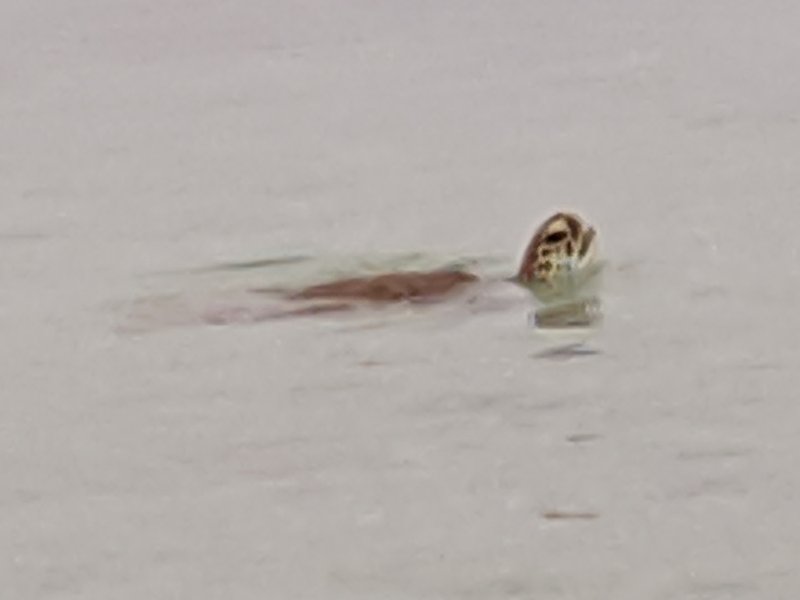
- Green turtle: Often seen in Mangrove Bay, coming up to breathe.
Bermuda’s sea turtles
Where to see them
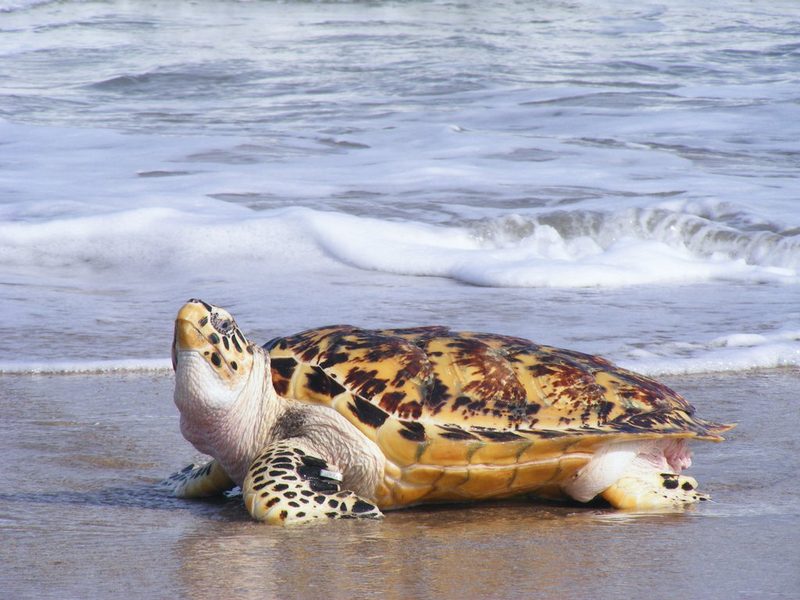
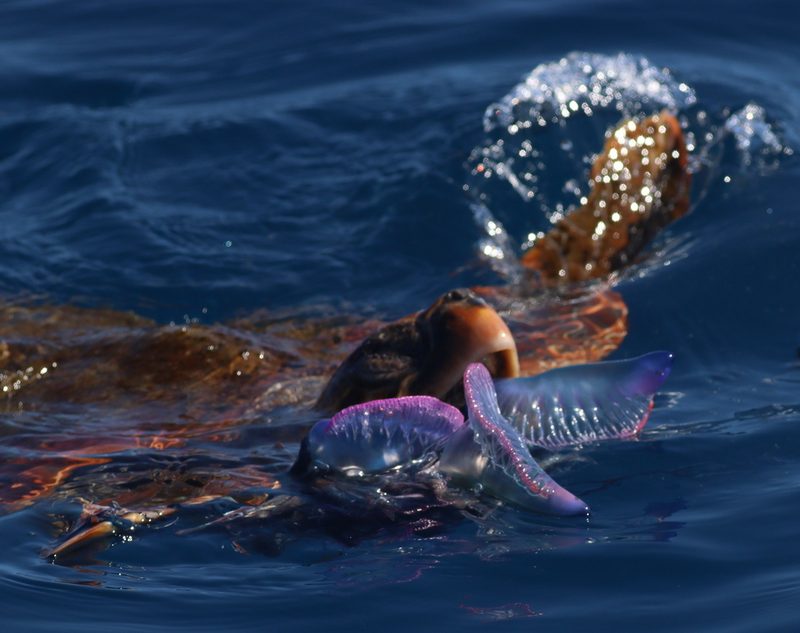
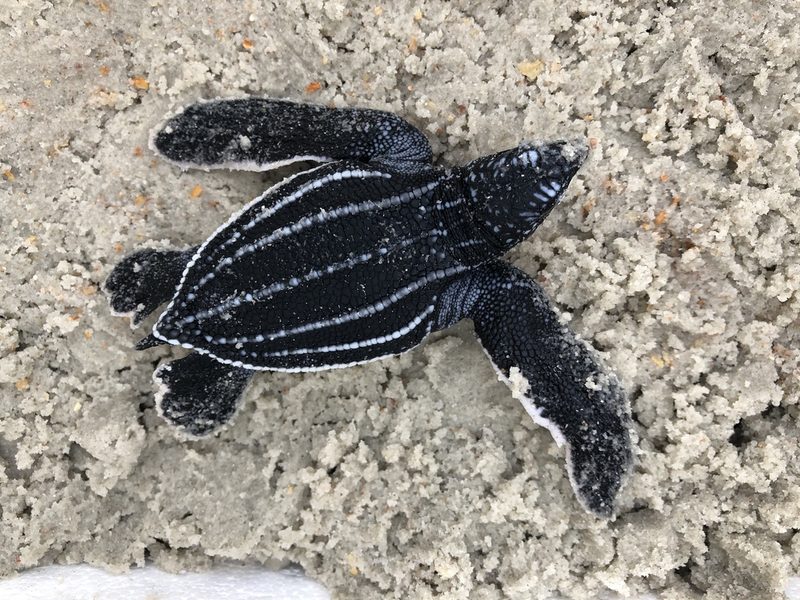
Young green turtles feed on seagrass in the sheltered bays and harbours, so you can often spot them from a dock, a kayak or a boat: watch for a small head popping up to breathe. Snorkellers and divers see them over the seagrass and along the inshore reefs, and hawksbills turn up on the coral reefs themselves. Loggerheads and leatherbacks are mostly seen well offshore.
Watching turtles
- Look, don’t touch: never chase, ride or feed a turtle.
- Give them room to come up for air; if one surfaces near you, stay still and let it go on its way.
- Boats: go slowly over seagrass and in the bays, where turtles are hit by propellers.
- Take fishing line, hooks and plastic bags home — turtles swallow them and get tangled in them.
If you find a turtle that is injured, tangled or stranded, contact the Bermuda Aquarium, Museum & Zoo, which looks after sick and injured sea turtles. The Bermuda Turtle Project has been catching, measuring, tagging and releasing turtles here for more than 50 years.
Protected since 1620
When the first settlers arrived in 1609 turtles were so plentiful that they quickly became a staple food, and within a few years the young ones were being taken faster than they could grow. In 1620 the Bermuda Assembly passed “An Act agaynst the killinge of ouer young Tortoyses”, which banned taking turtles under 18 inches across in the waters around the island. It is regarded as one of the earliest written conservation laws in the New World; only Governor Daniel Tucker’s 1616 proclamation against “the spoyle and havocke of the Cahowes” came before it.
Even so, turtles went on being caught for food for another 350 years, and they had all but stopped nesting on Bermuda’s beaches by the early twentieth century. The minimum size was raised in 1963, the Fisheries Act 1972 ended turtle fishing altogether, and today every species of sea turtle in Bermuda waters is protected under the Protected Species Act 2003.
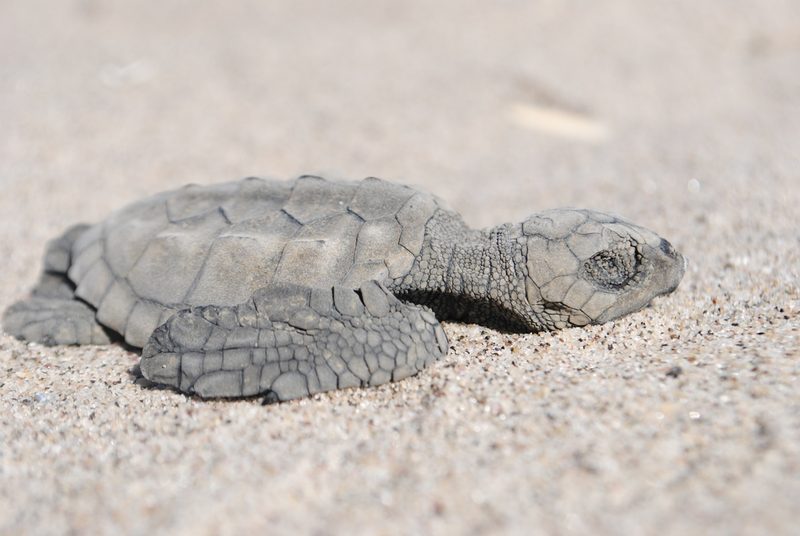
Hatchlings in St. George’s, 2015
Between 1968 and 1978 more than 25,000 green turtle eggs from Costa Rica were buried on Bermuda beaches, in the hope that the turtles would one day come back to nest. In August 2015 one seems to have done just that. Early one morning a resident found a baby green turtle crossing Barry Road in St. George’s; more hatchlings turned up on the beach at Building’s Bay and Alexandra Battery, and Aquarium staff found a nest of almost 90 hatched eggs — believed to be the first green turtles born on a Bermuda beach in about 100 years. Many of the hatchlings had headed inland towards the street lights instead of out to sea, so a number were rescued from the grass and released by hand.
A loggerhead nest on Cooper’s Island in 2005 also produced hatchlings, after the eggs were moved indoors to escape a tropical storm’s surge.
Seen turtle tracks or a nest?
Nesting is still very rare here, so every nest matters. If you see turtle tracks or hatchlings on a beach, keep your distance, don’t shine lights on them, and contact the Bermuda Aquarium, Museum & Zoo straight away.
Photos are from iNaturalist (taken in Bermuda wherever an openly licensed photo exists), used under their Creative Commons or public-domain licences; click a credit to see the original. Facts from the Bermuda Department of Environment and Natural Resources (environment.bm). If you see a Bermuda skink, a terrapin or a bat, the Department would like to hear about it.
« Flora & Fauna | Fish | Sea Turtles | Humpback Whales | Reptiles & Amphibians